


Introduzione alle macchine ECG
-
 2023-05-01
-
LEPU


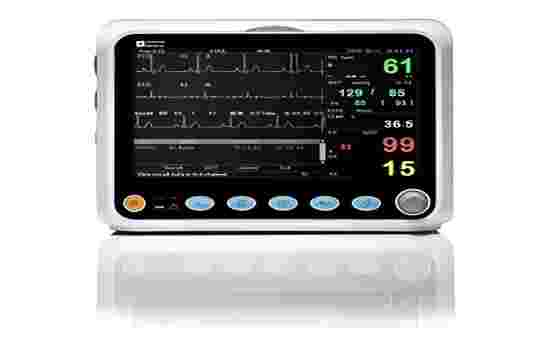
La macchina dell'ospedale ECG è strumenti specializzati utilizzati per registrare gli ECG. Esistono macchine ECG a piombo singolo e macchine ECG multi-piombo, con la possibilità di registrare contemporaneamente fino a 12 lead. I metodi di controllo e di commutazione del piombo variano, con macchine ECG analogiche manuali e macchine ECG digitali controllate da computer disponibili.
Quando sono state inventate le macchine ECG?
La domanda su chi ha scoperto la macchina ECG è quella di cui molte persone sono curiose.
154 anni fa oggi, il 21 maggio 1860 (il primo giorno del quarto mese lunare), nacque l'inventore della macchina dell'Ecg, Willem Einthoven.
Einthoven (1860-1927) was a Dutch physiologist. He was born in Java to a military doctor, and in 1879 started studying at the University of Utrecht's medical school. He earned his doctorate in medicine in 1885, and the following year was appointed professor of physiology at Leiden University. He later became a member of the Royal Netherlands Academy of Arts and Sciences.
Nel 1895, Einthoven iniziò a ricercare le correnti elettriche ad azione cardiaca, basandosi sul lavoro del fisiologo britannico A.D. Waller. Ha migliorato il galvanometro a corda inventato da de Sénarmont utilizzando un sottile filo di quarzo rivestito d'argento con un diametro di 0,002 millimetri per registrare correnti e suoni elettrici cardiaci superando i limiti degli strumenti precedenti.
Nel 1903, Einthoven stabilì l'unità di misura standard per gli ECG: un millivolt di differenza di potenziale elettrico rappresentato dalla deflessione dell'onda di un centimetro sull'asse verticale e dal movimento di 0,4 secondi sull'asse orizzontale. Ha anche usato lettere come P, Q, R, S e T per etichettare le onde sugli ECG e ha creato tre cavi standard utilizzando elettrodi posizionati su entrambe le mani e sul piede sinistro (che sono ancora usati oggi).
In 1912, Einthoven studied the normal range of variations in ECGs and proposed the theory of "Einthoven's triangle."
In riconoscimento della sua ricerca sui meccanismi degli ECG e della sua invenzione del registratore ECG, Einthoven ricevette il Premio Nobel per la Fisiologia o la Medicina nel 1924.
Come usare la macchina ECG?
Quando si utilizza una macchina ECG, è importante essere consapevoli delle precauzioni e delle istruzioni per l'uso e utilizzare correttamente la macchina.
I passaggi operativi per una macchina ECG sono i seguenti:
1. Verify patient information, explain the procedures and precautions to the patient, obtain the patient's cooperation.
2. Properly connect the power cord, turn on the machine, check its performance, ensure that ECG paper is loaded correctly, and enter the patient's information accurately.
3. Expose the patient's inner wrists, ankles, and chest, observe for metal objects or skin conditions, and wipe the upper inner wrist and upper ankle with a cotton swab soaked in saline solution. Pay attention to keeping the patient warm and respecting their privacy.
4. Collegare gli elettrodi dell'arto piombo e del torace secondo le istruzioni.
5. Verify the patient information again, wait until the ECG waveform is stable without interference, record the ECG waveform, and press the "START" button to print the ECG graph.
6. After printing is complete, turn off the machine, and verify the patient's information once more.
7. Remove the electrodes from the patient's body, wipe the skin, and pay attention to any skin conditions that may require special attention.
8. Dopo aver utilizzato la macchina, spegnere l'alimentazione, pulire l'attrezzatura e completare i moduli di registrazione per l'utilizzo dell'apparecchiatura.
Costo della macchina ECG
ECG machines are available for home and medical use. Portable home-use machines typically cost around $100-$300, but prices may vary depending on brand. Dynamic ECG machines for medical use require a computer, analysis software, and a recording box, and typically cost between $10,000 and $20,000. These machines record all of a patient's cardiac activity over a 24-hour period, and are used to diagnose angina and arrhythmia, and determine the effectiveness of treatments.