


Che cos'è una bobina embolica?
-
 2021-08-30
-
LEPU


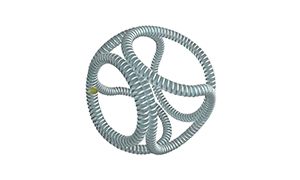
L'embolizzazione della bobina descrive una procedura chirurgica minimamente invasiva per il trattamento di aneurismi cerebrali e fistole. Attraverso un catetere inserito nell'inguine, una minuscola bobina viene guidata al cervello e separata dal catetere per impedire il flusso sanguigno all'aneurisma o alla fistola. Una o più bobine di platino vengono lasciate in posizione per prevenire la rottura dell'aneurisma. Il flusso sanguigno ridotto al cervello può influenzare la visione binoculare.
1. During operating the Bobina embolica, the femoral artery was touched at the place passing through the groin.
Neuroradiologists or neurosurgeons usually perform this operation in a hospital setting. The surgeon makes a small incision in the groin to access the femoral artery. The doctor uses dye to make the aneurysm visible in the computer image, and then passes the catheter through the artery. Once the aneurysm is close to the aneurysm, the surgeon releases the Bobina embolica from the catheter. The body creates blood clots around the coil, blocking blood flow.
Un aneurisma rappresenta un rigonfiamento o una parete dell'arteria sacculare in un paziente debole. Le sporgenze possono esercitare pressione sui tessuti e sui nervi del cervello, causando paralisi o rottura, portando a ictus o morte. Le bobine di embolizzazione possono essere utilizzate come misura preventiva dopo o prima che l'aneurisma si rompa.
2. Neck pain when Bobina embolica is used may be a sign of aneurysm
Symptoms of aneurysm include headache, nausea or vomiting, upper back and neck pain. When these symptoms are present, doctors usually perform imaging tests to determine whether there is an aneurysm. When the patient cannot undergo brain surgery to prevent rupture, it is usually recommended to use Embolizzazione delle bobine staccabili.
Un aneurisma rappresenta un rigonfiamento o una vescicola sulla parete debole di un'arteria. La fistola definisce le vene e le arterie e riduce l'erogazione di sangue ricco di ossigeno al cervello. Queste lacune anormali di solito causano la pressione oculare, che è un sintomo importante del glaucoma. Alcune fistole possono causare diplopia, dolore e suoni anormali nelle orecchie, come il ronzio.
If an aneurysm mass is large or appears at the base of the skull, balloon occlusion may play a role. This is another option when embolization coils cannot be performed due to the size or location of the aneurysm. This operation uses an inflated balloon to restrict blood flow. The procedure is similar to the detachable coil embolization of the femoral artery cannula. The risk of this operation is considered low, but a stroke may occur during the embolization of the coil, the patient's legs or arms may be weak, and language and vision problems may also occur.
3. La bobina embolica per il trattamento degli aneurismi cerebrali
I neurochirurghi possono utilizzare l'imaging cerebrale per localizzare fistole e aneurismi nel cervello. Dopo il posizionamento, il paziente rimane disteso per 8 ore o più per consentire all'arteria femorale di guarire. Di solito vanno a casa dopo un giorno o due. Alcuni mesi dopo, è possibile eseguire l'angiografia per determinare se la bobina di embolizzazione è ancora in posizione. I neurochirurghi di solito eseguono l'embolizzazione della bobina staccabile per trattare gli aneurismi cerebrali.