


Lo sviluppo dell'endoscopio moderno
-
 2022-03-14
-
LEPU


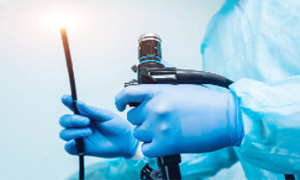
Con lo sviluppo della scienza e della tecnologia, varie nuove tecnologie sono state ampiamente utilizzate nell'industria medica e sempre più tecnologie mediche possono raggiungere direttamente le lesioni locali senza traumi importanti.
Ad esempio, la chirurgia non invasiva può utilizzare il principio dell'ecografia per trattare il corpo umano senza incisione o sanguinamento; mentre la terapia interventistica, che integra la diagnosi dell'immagine e il trattamento clinico, può introdurre strumenti specifici nelle parti malate del corpo umano per la chirurgia minimamente invasiva attraverso i pori naturali o piccole ferite del corpo umano. Una volta che i limiti della tecnologia medica e del livello in passato sono stati modificati, la malattia non poteva essere diagnosticata e trattata in tempo e molti pazienti hanno perso il momento migliore per il trattamento.
As a leading company in technology and services in the field of gastrointestinal endoscopy, we have been committed to the innovative research and development of medical devices, insisting on improving the level of diagnosis and treatment with advanced technology, and empowering the development of endoscopy through technological innovation. Today's endoscopy can not only detect early digestive system tumors and precancerous lesions, but also completely remove tumors through digestive endoscopy, avoiding the trauma and risks caused by laparotomy, and truly realizing the early prevention and early prevention of gastrointestinal diseases.
1. Il percorso di crescita dell'endoscopia: ripristino chiaro e accurato della scena dello stomaco
As early as 1950, the world's first intragastric camera was developed, which helped humans see the scene in the stomach for the first time, opened another door to the development of medicine and opened the road of exploration in the field of endoscopy since then.
Per poter vedere la situazione nello stomaco in tempo reale e intuitivamente, nel 1964, la fotocamera gastrica GTF dotata di un endoscopio a fiber ottiche è stata sviluppata e lanciata per realizzare l'osservazione in tempo reale della situazione gastrica con l'endoscopio a fiber ottiche incorporato. L'avvento dell'endoscopio a fiber ottiche annuncia anche l'arrivo dell'era della chirurgia mininvasiva. L'attrezzatura necessaria per la chirurgia può raggiungere con precisione le lesioni nel corpo attraverso il canale, il che riduce notevolmente il dolore causato dalla chirurgia ai pazienti.
Nel 1985, l'endoscopio elettronico è stato sviluppato sostituendo la tecnica di imaging a fibra ottica con la tecnologia di rilevamento delle immagini in miniatura. Il sensore di immagine che trasporta è come una fotocamera in miniatura, che può visualizzare l'immagine elaborata sullo schermo del monitor elettronico, presentando un'immagine più chiara dell'endoscopio a fiber ottiche e può essere visualizzato da più medici contemporaneamente, migliorando notevolmente l'accuratezza della diagnosi.
With the unremitting pursuit of clarity, in 2002, the world's first high-definition endoscopy system was further launched. With a high-definition display system and HDTV monitor as the core, it can provide higher quality and clearer images than ever before. As the core function of high-definition endoscopy system, Narrow Band Imaging (NBI for short) technology makes the changes of early cancer more obvious under special blue light irradiation, which provides great convenience for medical personnel to detect early cancer in time.
2. A guardia dei pazienti: fare in modo che i pazienti non temano più l'endoscopia
Although gastroenteroscopy is recognized as an important tool for the examination of gastrointestinal diseases, there are still many people who are afraid of endoscopy and refuse to accept endoscopy because they consider it "uncomfortable and unsafe".
In fact, today's endoscopes have become soft and slender with the development of technology, and the diameter of the thinnest end of the endoscope is only 5 mm. The entire inspection process only takes about ten minutes, which can greatly reduce discomfort. Regular endoscopy can greatly reduce the probability of illness.
Not only that, from the point of view of comfort, we continue to innovate and improve endoscope products. RIT reactive insertion technology can improve the flexibility and ease of operation of endoscopes through intelligent bending and variable hardness technologies, and comprehensively assist the insertion of endoscopes, making the operation more convenient and flexible for doctors, and at the same time greatly reducing the burden of patient's pain.